Live Editorial
News & Releases • Editorial Dispatch

CD Projekt Red uses AI for voice correction

How targeted audio processing can support dialogue production while preserving the performance behind a character.

•By Marcus Thorne•4 min read
01

A focused tool in a complex dialogue pipeline

Voice correction sits between the original recording and the final multilingual game build.

CD Projekt Red uses AI for voice correction
FocusVoice correction
WorkflowMultilingual audio
CoverageStudio technology

CD Projekt Red’s use of AI for voice correction brings a specific part of game production into focus: the work required to keep dialogue consistent across recording sessions and language versions. The important distinction is between correcting an existing performance and creating a replacement for the actor who delivered it. A small timing or pronunciation adjustment can affect an entire exchange when facial animation, subtitles, and scripted events depend on the same audio cue.

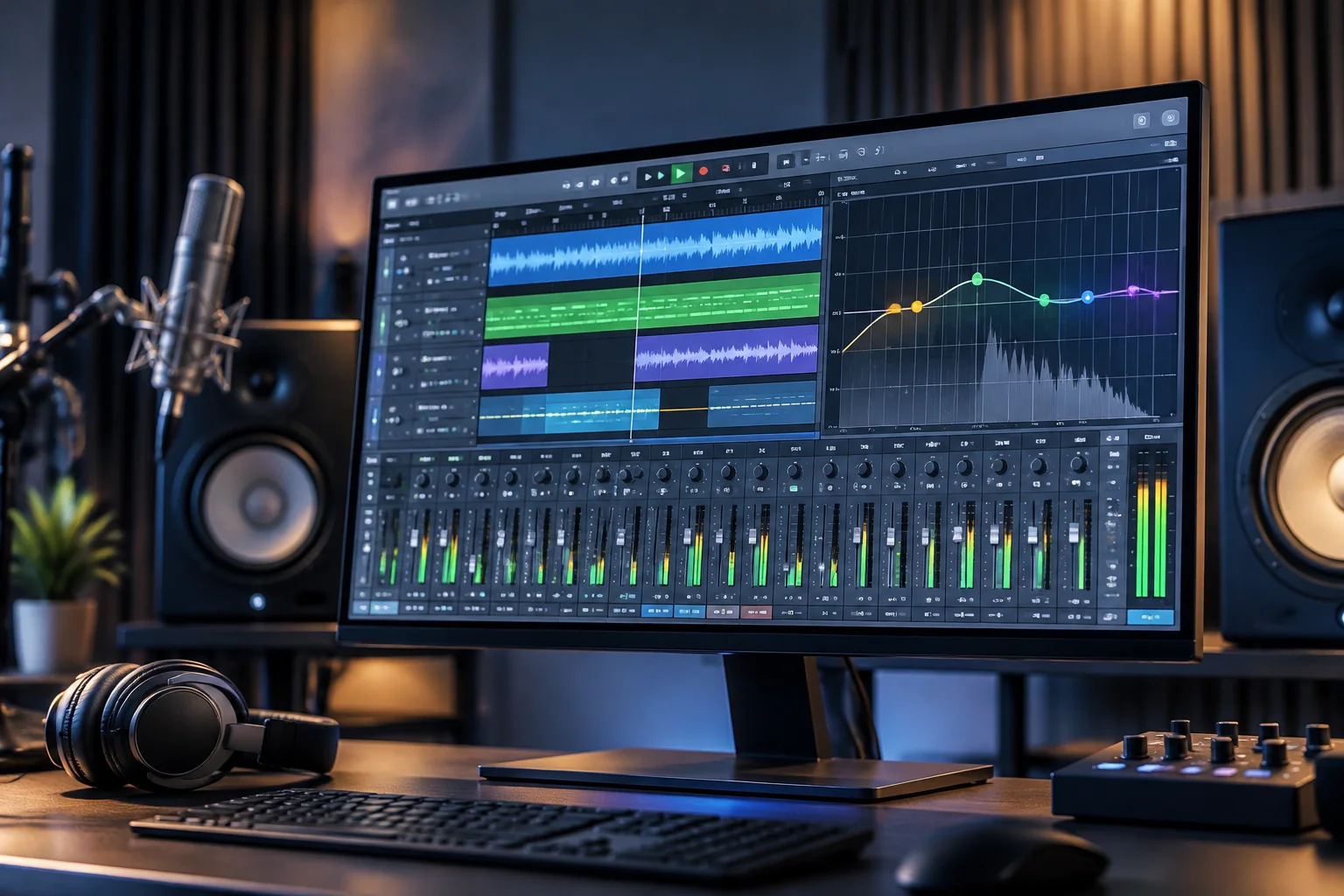
As outlined in this dispatch, neural filters are being applied to multilingual vocal alignment. That makes the surrounding production process just as important as the model itself. Editors still need an original recording, an approved dialogue script, and a way to compare processed material against the intended delivery. A technically clean waveform does not automatically preserve emphasis, emotion, or the rhythm of a conversation.


02

Where human review still matters

An audio fix should remain faithful to the performance rather than flattening its character.

For a narrative role-playing game, a voice is part of the writing. A hesitation may communicate uncertainty; an uneven breath may be deliberate. Treating every irregularity as an error risks removing the details that make a scene believable. The practical value of correction therefore depends on selective use and careful listening in context, including the lines immediately before and after the edited passage.

Key Takeaways

  • Compare corrected dialogue with the original actor’s timing and emotional intent.
  • Review pronunciation and meaning separately for each supported language.
  • Check subtitle timing, lip synchronisation, and scene triggers in the game build.
  • Keep approval and usage rights clear for the recorded material.
03

What players should listen for

Dialogue quality is best judged inside a scene, with its music, effects, and narrative context.

Players are unlikely to encounter a production tool directly. They encounter its results through intelligible speech, consistent character voices, and scenes that flow without distracting edits. Audio options also matter: subtitle controls and separate dialogue volume can improve accessibility even when the underlying recording is strong. The meaningful test is whether the final conversation communicates clearly while retaining the actor’s identity.

Recordings, language review, targeted correction, and in-game quality assurance are separate stages. Each needs a clear approval point before processed dialogue enters a release build.

Tags:CD Projekt RedVoice ProductionAI Tools
Editorial Archive & Live Reports

Follow Every Development

Explore studio announcements, mobile releases, and industry updates from the Dinera editorial desk.

All News & Releases
04

More from the Newsroom

Continue with related releases and studio updates.